Examining Release Schedule Effects on Bonus Layering Within Multi-Provider Mobile Gaming Ecosystems
Theo Krause · Oct 26, 2026

Examining Release Schedule Effects on Bonus Layering Within Multi-Provider Mobile Gaming Ecosystems
Release timelines for new slot titles from various developers shape how operators structure bonus combinations in aggregated mobile platforms, and data from industry reports indicate that staggered launches create distinct patterns in feature stacking. Observers note that when multiple studios release games within weeks of each other, platforms adjust promotional layers to incorporate fresh mechanics while maintaining compatibility with existing reward systems. According to figures from the Nevada Gaming Control Board, mobile gaming revenue in regulated markets reached new levels during coordinated release periods in early 2026, with operators tracking how fresh content influences player engagement metrics across portfolios.
Core Mechanics Behind Timeline-Driven Adjustments
Developers coordinate launches through shared distribution networks, and this synchronization forces platforms to recalibrate bonus layering protocols because new symbols and triggers must integrate without disrupting established reward paths. Research from academic studies on digital entertainment systems shows that intervals between releases directly correlate with changes in multiplier stacking rules, since operators test combinations to avoid overlaps that could inflate payout ratios beyond expected thresholds. Those who monitor these ecosystems find that a cluster of releases in one quarter often leads to temporary restrictions on certain bonus combinations until testing confirms stability across devices.
Regional Regulatory Influences on Layering Practices
Canadian provincial regulators, including the Alcohol and Gaming Commission of Ontario, publish quarterly updates that detail how release pacing affects operator compliance with bonus disclosure requirements, and platforms respond by updating their layering algorithms to reflect new game data. In contrast, Australian state authorities track similar patterns through revenue reporting, revealing that shorter gaps between launches prompt quicker revisions to promotional structures. Experts have observed that these adjustments maintain fairness while allowing players to combine features from different providers in single sessions.
What's notable is the way cross-provider integrations evolve when timelines compress, because a rapid sequence of updates can introduce novel trigger conditions that layer onto legacy bonus pools. Data from the New Jersey Division of Gaming Enforcement illustrates that mobile ecosystems handling multiple suppliers recorded measurable shifts in average session bonuses during periods of frequent releases in mid-2026, with operators documenting how new mechanics altered stacking possibilities.
Case Examples of Timeline Impacts in Practice
One documented instance involved a major aggregator platform that delayed full bonus activation for three new titles released in September 2026 until October testing cycles completed, and this pause allowed engineers to verify how progressive elements from separate developers would interact within shared reward layers. Figures reveal that such holds prevented unintended combinations while preserving player access to individual game bonuses during the interim. Researchers discovered through portfolio analysis that platforms using phased rollouts experienced fewer adjustments to multiplier caps compared with those implementing simultaneous deployments.
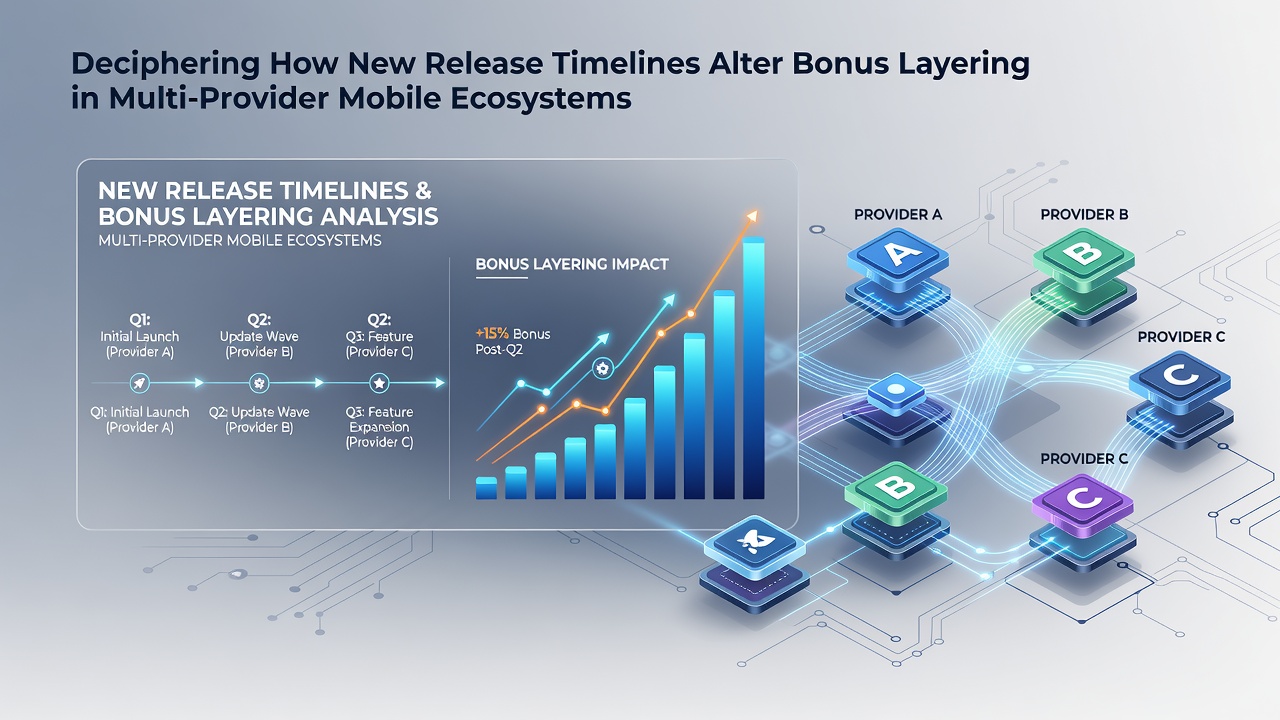
Industry organizations such as the European Gaming and Betting Association compile reports showing that staggered timelines across global markets encourage operators to maintain separate bonus pools for newer releases, thereby reducing conflicts with established titles. Those who've examined these datasets note that October 2026 saw several platforms introduce timeline-based filters that automatically adjusted layering rules based on release age, allowing seamless transitions as content matured within the ecosystem.
Technical Considerations in Multi-Provider Environments
Engineers must account for API variations when new games enter the system, and this process often extends bonus validation periods because each provider's feature set requires mapping to the central reward engine. Evidence suggests that compressed release schedules increase the complexity of these mappings, leading platforms to implement dynamic layering that scales with content volume. Observers note that mobile-specific constraints, including device processing limits, further influence how operators prioritize which bonus combinations activate during initial rollout phases.
Academic papers on networked gaming systems indicate that release cadence influences long-term bonus architecture decisions, since frequent additions prompt operators to adopt modular designs that accommodate future layering without full system overhauls. Data shows platforms that adopted such designs during 2026 cycles maintained consistent player retention rates despite ongoing content influxes.
Conclusion
Release timelines continue to drive structural changes in bonus layering across multi-provider mobile ecosystems, and regulatory data combined with operational reports demonstrate measurable effects on how features combine. Platforms adapt through testing protocols and modular updates that align with supplier schedules, while maintaining compliance across jurisdictions. Continued monitoring of these patterns provides insight into evolving integration strategies as new titles enter shared environments.