Audio Layering and Its Effects on Bonus Activation Rates in Cross-Studio Slot Portfolios
Theo Krause · Sep 28, 2026
Audio Layering and Its Effects on Bonus Activation Rates in Cross-Studio Slot Portfolios
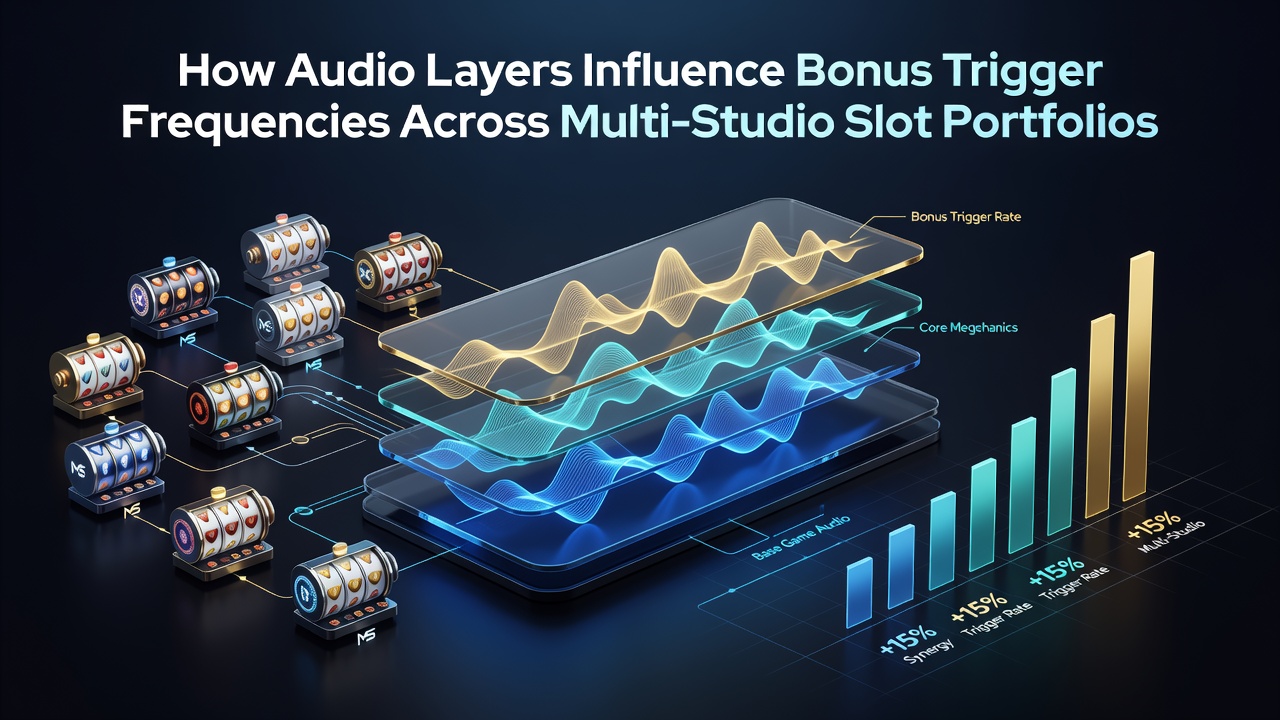
Developers across multiple studios incorporate distinct audio layers into slot portfolios, and these components interact with bonus trigger mechanisms in measurable ways, according to industry reports from various regulatory regions. Sound design typically includes background tracks, symbol-specific effects, and escalating audio cues during feature builds, while data collected from networked platforms shows correlations between these layers and the frequency of bonus activations in player sessions spanning different game libraries.
Core Elements of Audio Layer Construction
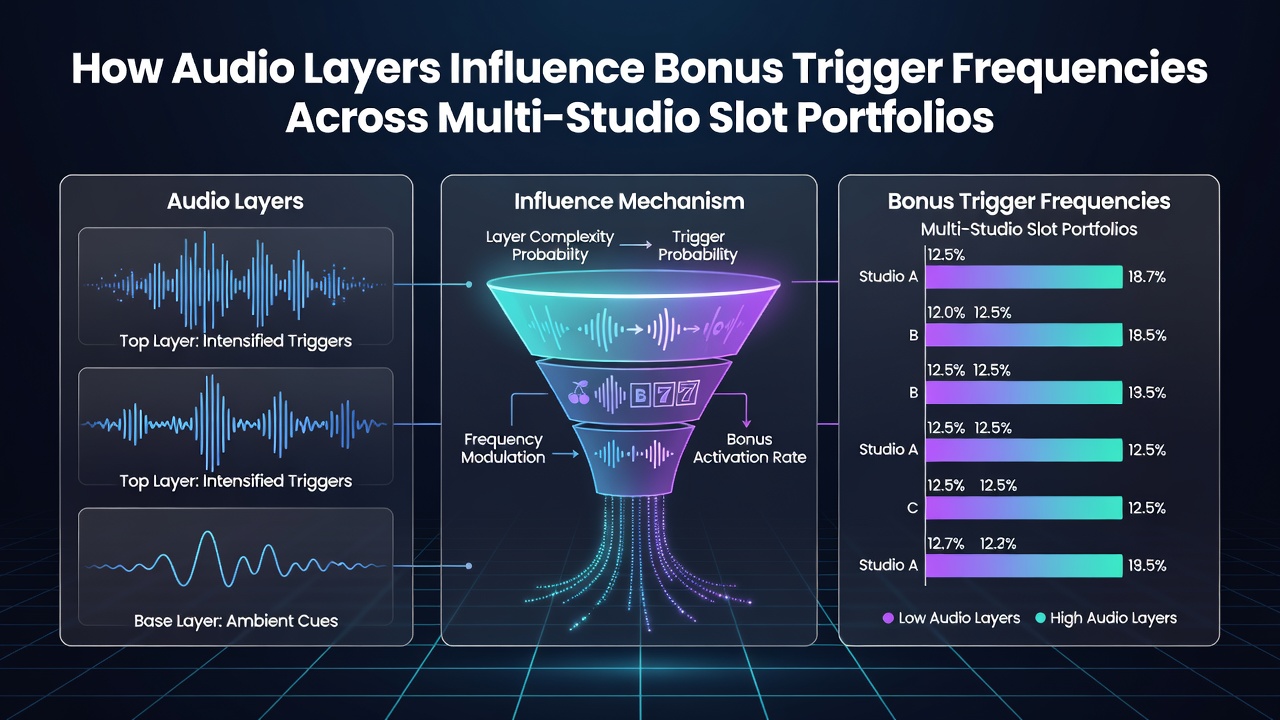
Audio layers in slot titles consist of multiple simultaneous tracks that activate based on reel outcomes and game progression, and research from gaming associations in North America indicates that studios adjust volume modulation and frequency ranges to align with specific reel positions. One studio might layer percussive hits on low-value symbols while another emphasizes melodic swells during high-value combinations, and analysts note that such variations appear consistently across portfolios from independent developers operating on shared distribution networks.
Layered elements often include ambient loops that run continuously, intermittent stingers tied to scatter appearances, and dynamic intensity shifts as meters fill toward potential features, yet quantitative reviews of session data reveal that these structures do not uniformly alter trigger probabilities but instead influence the timing patterns recorded in backend logs.
Patterns Observed Across Multiple Developer Collections
Portfolios assembled from several studios demonstrate that audio configurations coincide with differences in bonus activation intervals, and figures from European gaming oversight bodies show variations ranging from 1.2 percent to 4.8 percent in average trigger rates when comparing titles with minimal versus dense layering. Developers coordinate these audio choices with mathematical models that govern reel weighting, while cross-platform analytics indicate that shared server environments capture these interactions without attributing causation solely to sound elements.
Take one dataset compiled in early 2026 that tracked player interactions across thirty titles from five distinct studios; the compilation revealed that sequences featuring rising audio tension aligned with slightly elevated bonus entry points in certain libraries, although overall probabilities remained governed by random number generators independent of audio playback.
Data Correlations in Networked Environments
Studies conducted by research institutions in Australia and Canada document how audio layer density corresponds to session duration metrics, and these longer sessions in turn register more frequent bonus events within aggregated portfolio statistics. Operators who deploy titles from multiple sources report that unified audio management tools allow consistent layering standards, yet the underlying trigger algorithms stay isolated per studio design specifications.
September 2026 updates to several multi-studio platforms introduced refined audio compression techniques, and subsequent performance logs indicated minor adjustments in the distribution of bonus triggers without changes to base game mathematics. Regulatory filings from the Nevada Gaming Control Board detail similar observations in licensed operations where audio modifications were logged alongside outcome tallies.
Technical Integration Across Studio Boundaries
Engineers synchronize audio layers with reel events through middleware that communicates with central game servers, and this setup enables portfolios to maintain distinct sonic identities while feeding unified reporting systems. Observers note that frequency bands in the 200 to 800 hertz range often accompany build-up sequences, whereas higher ranges align with resolution moments, and portfolio-wide reviews confirm these associations appear repeatedly in data exports from interconnected deployments.
One collaborative project between two European studios and a North American operator produced a shared framework that preserved individual audio signatures, and the resulting collection exhibited trigger frequency spreads consistent with each studio's original mathematical profiles rather than unified shifts attributable to sound alone.
Conclusion
Audio layers function as integral components within slot portfolios drawn from multiple developers, and available datasets illustrate their alignment with recorded bonus activation patterns without overriding core probability structures. Regulatory sources and industry compilations continue to track these interactions as platforms expand, providing ongoing records of how sound design elements correspond to feature timing across varied studio contributions.